

U.S. forces struck dozens of targets inside Iran after American commanders said Tehran’s attacks on commercial ships shattered a ceasefire.
Story Highlights
- U.S. Central Command said Iran hit three tankers and broke a ceasefire, prompting heavy strikes.
- Targets included air defenses, radar, anti-ship missile sites, and Islamic Revolutionary Guard Corps boats.
- The Treasury Department pulled a waiver that let Iran sell oil and petrochemicals.
- Iran denied attacking ships, but offered no hard proof to back the denial.
CENTCOM Says Iran Hit Three Tankers, Ceasefire Is Over
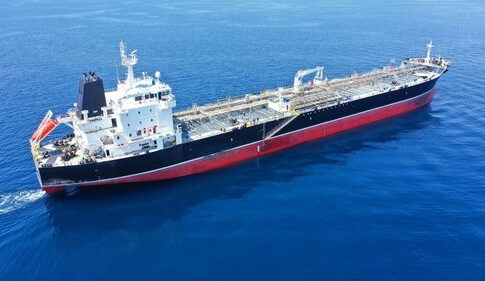
United States Central Command said Iranian forces attacked three commercial tankers in the Strait of Hormuz over two days, calling it a clear ceasefire violation. Commanders described the strikes as a direct response to protect civilian crews and restore safe shipping lanes. Reporters heard similar details from two U.S. officials who confirmed Iran’s role in the attacks. The military labeled the aggression unwarranted and dangerous, and tied it to an interim deal Iran had allegedly broken by firing on commercial shipping.
Central Command said American forces hit air defenses, radar sites, anti-ship missile batteries, and dozens of Islamic Revolutionary Guard Corps small boats used to menace shipping. The scope signaled an effort to blind Iranian targeting, cut missile launch capacity, and clear threats near key transit points. Military planners aimed to impose costs and deter more attacks on neutral ships. The command’s language framed the action as defensive and focused on international waterways and civilian mariners.
Targets, Treasury Moves, and Shipping Security
The Pentagon’s target list matched tools Iran uses to pressure traffic through the chokepoint. Radar and coastal missile sites help track and threaten tankers; small fast boats swarm and harass crews. Hitting those nodes aims to lower risk for cargo ships crossing the strait. The United States Treasury Department also revoked a waiver that let Iran sell oil and petrochemicals, citing Iran’s behavior as wholly unacceptable. That step tightened money flows that fund missiles, drones, and naval harassment.
Energy markets often react to Hormuz tension, since a large share of the world’s oil passes there. Past crises show sharp price swings when shipping faces risk. Analysts have long warned that Iran uses pressure at sea to gain leverage against the West. The Council on Foreign Relations notes the strait’s history as a flash point where Iran tests red lines and the United States asserts free passage under international law. That pattern is repeating now, with higher stakes and faster escalation.
Iran’s Denial, Evidence Gaps, and What We Know
Iran denied it attacked commercial ships and cast the fight as a response to U.S. actions. Reuters reported Tehran’s claims that it struck back only after being hit first. But Iran has not provided radar data, debris analysis, or crew testimony to support the denial. On the U.S. side, officials have not publicly released detailed imagery or weapon forensics tied to the three alleged tanker attacks. That leaves open-source readers relying on official statements for now.
Conservatives will ask the right questions: who safeguards Americans, allies, and the global economy when Iran fires on civilian shipping? U.S. leaders say the goal is simple—keep sea lanes open and stop attacks on non-combatants. That aligns with common sense: free trade routes, rule of law, and peace through strength. The United States also pressed partners to back freedom of navigation. Even when some allies hesitate, America cannot outsource the safety of vital waters to a regime that threatens tankers.
What Comes Next for U.S. Policy and Power
Washington’s next steps will likely focus on sustained deterrence. That means more patrols, convoy support, and rapid strikes on launch sites that threaten ships. It also means economic pressure to limit Iran’s cash for missiles and drones. The lesson is clear: when bad actors raise the cost of commerce, families at home pay more for gas and goods. Protecting the waterway is not a “foreign” issue. It is a kitchen-table issue that hits wallets and jobs here in the United States.