

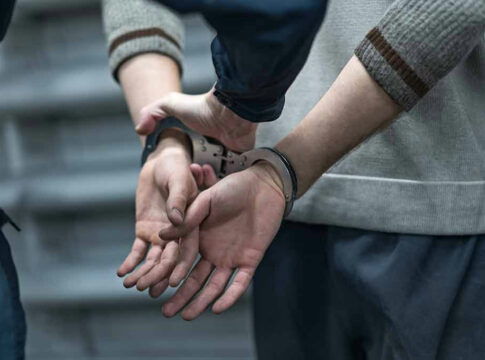
A single leaked photo of a blindfolded Gaza prisoner has become a haunting symbol of secret detentions so opaque that two desperate mothers — and even major newsrooms — still cannot say for sure whose son is being abused in that image.
Story Snapshot
- A viral photo of an abused Palestinian detainee in Gaza has been claimed by two different mothers as their missing sons.
- Israeli authorities admit the image is real but refuse to name the man or disclose where he is held, leaving families in the dark.
- The case highlights a wider system of mass, secret detention of Palestinians from Gaza, often without charge, trial, or contact with family.
- Human rights groups say public humiliation and abuse of detainees in such photos amount to torture and war crimes.
How a Single Photo Became a Global Mystery
The story starts with a disturbing image shared on social media, showing a blindfolded Palestinian man in a gray tracksuit, arms behind his head, surrounded by other detainees. The photo, reportedly taken in an Israeli detention site, quickly went viral in Gaza and beyond. Two Gazan mothers, living in different camps, each saw the image on a phone and said they recognized the man as their missing son. From that moment, a private horror turned into a public mystery the world still has not solved.
One mother, Jouda Al-Ghoul, says the man is her son Amin, who was detained in November 2023 while trying to move from northern to southern Gaza. She says she knew him immediately from his hair and beard and has since watched the photo over and over with other family members, searching for details that confirm her belief. Another mother, Rana Abu Nassar, insists the detainee is her son Osama, arrested on March 19, 2024, along with his baby, and says she recognized him by swelling and scarring on his left leg visible in the image.
Two Mothers, Two Sons, One Silent Prison System
The claims of Amin’s mother rest on facial features and timeline: she says he vanished into Israeli custody late last year and has not been heard from since. Palestinian advocates report that his name has been formally sent to Israeli military officials by the Palestinian Prisoners’ Society, asking for confirmation of whether he is the man shown and where he is being held. Despite these steps, there has been no clear answer. There is no public record of a DNA match, fingerprints, or direct prison documents tying Amin to the image.
The claims of Osama’s mother focus on his injuries and the highly reported arrest that took him and his one-year-old child into detention in March. She says she recognized the leg wounds in the photo at once and has repeated her certainty in interviews. However, she too lacks medical files or forensic proof released to the public that would link those wounds to the man in the photo. Israeli officials have opened an internal inquiry into the incident, but they still do not name the prisoner, citing security rules and ongoing investigations. That silence leaves both families trapped between hope and grief.
Secret Detention and the Wider Crisis of Missing Palestinians
This single case sits inside a much larger picture that should worry people across the political spectrum. Reports from activists and released prisoners say Israeli forces have rounded up hundreds of Palestinians in northern Gaza, forced them to strip down, bound them, and moved many to undisclosed detention camps such as the Zikim base. Some detainees describe spending hours or days in near-nudity, cold, and hunger while soldiers took the very images that later spread online. Families often have no idea where their loved ones are or even if they are alive.
International groups, including Amnesty International, say Israel is using a special security law to hold people from Gaza for long periods without charge, trial, access to lawyers, or contact with family. Their reports describe incommunicado detention lasting months and consistent accounts of beatings, stress positions, and other abuse that they classify as torture. Human Rights Watch has also documented Israeli soldiers posting degrading photos and videos of detainees online, including images of forced nudity, which the group calls an “outrage on personal dignity” and a war crime. Israeli authorities deny systematic torture but rarely release basic information that could settle individual cases.
Why This Matters Far Beyond Gaza
For many Americans, this story echoes a deep worry they already feel at home: powerful institutions acting in the dark, with little accountability, while ordinary families pay the price. Here, the institution is a foreign military, but the pattern looks familiar. A government holds people without naming them, blocks outside checks, and then expects the public to trust its word that everything is under control. When both conservative and liberal citizens think about secret lists, missing records, and unaccountable agencies, they see the same thing — a system too opaque to trust.
The Gaza detainee photo also raises a basic question about the rule of law that cuts across party lines. If a state can seize a person, hide their identity, and share humiliating images of them worldwide while refusing to say who they are, what stops any government from doing the same to others it claims are threats? Many Americans fear that when any nation normalizes secret detention and public shaming of prisoners, it erodes global norms that protect everyone. Even while people disagree sharply on Middle East policy, they can share one clear concern: where there is secrecy without checks, abuse tends to follow.
Sources:
facebook.com, instagram.com, reutersconnect.com, mezha.net, pbs.org