

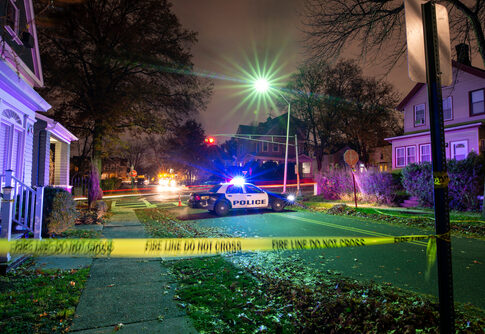
A citywide shelter-in-place alert and a fallen officer in Montreal expose the deadly cost when violent criminals strike and ordinary people are told to hide.
Story Snapshot
- Police warned of an “armed and dangerous” suspect and “imminent risk to the public.” [4]
- Residents were told to stay inside, lock doors, and avoid windows. [8]
- One officer, one civilian, and the suspect were killed, another officer wounded. [8]
- A major highway closed and multiple agencies coordinated to stop the threat. [4]
Police Alert And City Lockdown Showed An Immediate Threat
Montreal police issued an emergency alert that described an “armed and dangerous suspect” in Côte-des-Neiges and warned of “imminent risk to the public.” Reporters read the alert on air as officers moved residents away from the area. The message told people to avoid the zone, shelter indoors, and lock doors. This was not a routine call. It was an active public-safety emergency that demanded fast action to prevent more harm. [4]
Authorities told residents to stay inside, secure doors, and stay away from windows after reports of shots near a grocery store. This response matches standard active-shooter guidance used across North America: stop the threat, protect bystanders, and control chaos. The goal is speed because delay costs lives. Police also shut a nearby highway and expanded the perimeter to keep drivers and crowds out of danger while they hunted the suspect. [8]
Confirmed Casualties Underscore The Scale Of Violence
Local coverage reported one police officer killed, another officer shot and injured, a civilian killed, and the suspect dead after the confrontation. These losses show why officers went in to neutralize the shooter rather than wait. This was a moving, lethal situation, not a post-incident scene. Families are grieving. The badge community is mourning a fallen officer who stepped toward danger to protect others. Officials later confirmed the suspect was no longer a threat. [8]
Reports described multiple units rushing in and working with the provincial force, the Sûreté du Québec, because the highway fell under provincial control. That kind of interagency link is common when a gunman can move across roads and public spaces fast. Closing the highway and coordinating traffic control reduced exposure for commuters and responders. It also created space for medics to reach the wounded and for investigators to begin securing evidence after the gunfire stopped. [8]
What We Know, What We Do Not, And Why Discipline Matters
Live coverage stressed that some details were still developing. Police had not publicly named the shooter or given a motive during the early briefings. Without a name, background, or forensic file, we cannot say why this happened. That is a limit, not a loophole. Responsible reporting sticks to verified facts. Viewers heard anchors say more information would come later, which signals a careful posture during a fluid event rather than a rush to assign blame. [4]
Because facts were still forming, some claims in early clips used cautious language. That is normal in breaking news. The core facts that mattered to public safety held steady: an armed suspect, a shelter-in-place order, officer casualties, and a suspect later confirmed dead. Those points justified the scale of the response. They also explain why residents were told to lock doors and stay put until officers ended the threat and cleared streets near the grocery store and highway ramps. [8]
Lessons For Families: Prepare, Do Not Panic, Follow Directions
Families should review basic active-shooter steps now, before a crisis. If you can get out, get out. If you cannot, hide, lock doors, stay quiet, and silence phones. If danger is close and there is no other choice, fight to survive. These rules are simple, proven, and save lives. Police training guides say immediate deployment is often required to stop a killer. That is what Montreal officers did as they pushed in to confront the suspect. [11]
We support the officers who run toward gunfire and the families who just want safe streets. We also insist on full transparency after the crime scene cools. Police should release the alert text, timeline, and findings when ready. That record will show why commands were given, how fast units moved, and where shots were fired. Facts build trust. Discipline, not politics, keeps communities safe, honors the fallen, and helps citizens stay ready without living in fear. [8]
Sources:
[4] Web – Shots fired at business in Côte-des-Neiges–Notre-Dame- …
[8] Web – 🚨 TONIGHT IN CÔTE-DES-NEIGES 🚨 Around 7:30 PM, …
[11] Web – École Polytechnique massacre – Wikipedia